
Hospital Information Systems
Digitize & Automate End-to-End Hospital Operations
Digitize clinical care plans and administrative processes from admission to discharge. Pinga HIS seamlessly integrates clinical workflows, scheduling, claims, and reporting—simplifying hospital operations, improving patient outcomes, and ensuring data integrity.
End-to-End Patient Management
Real-Time Clinical & Administrative Data
No-Code Workflow Automation
THE FUTURE OF HOSPITAL MANAGEMENT AUTOMATION
Unified Hospital Operations for Enhanced Patient Outcomes
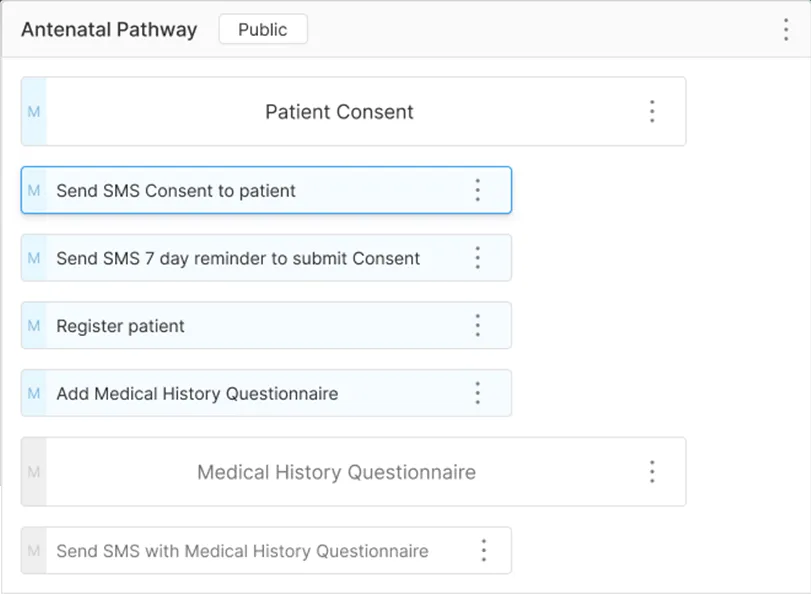
No-Code Workflow Customization
Streamline hospital workflows with an intuitive, user-friendly platform. Adapt to evolving clinical needs with flexible automation, reducing reliance on IT support.
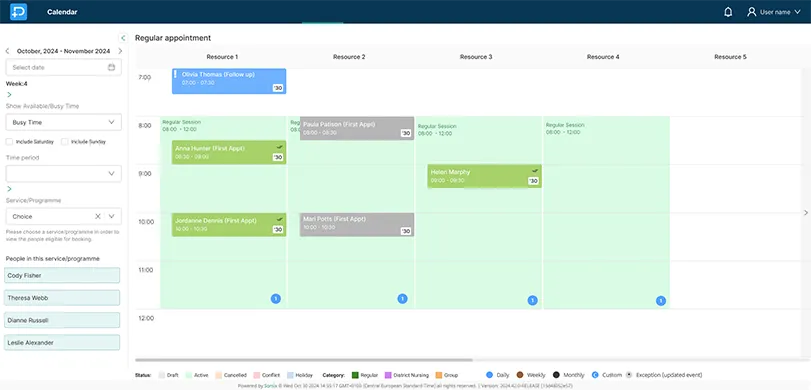
Intelligent, Automated Scheduling & Worklists
Eliminate manual scheduling inefficiencies with automated case prioritization based on urgency, availability, and workload balancing.
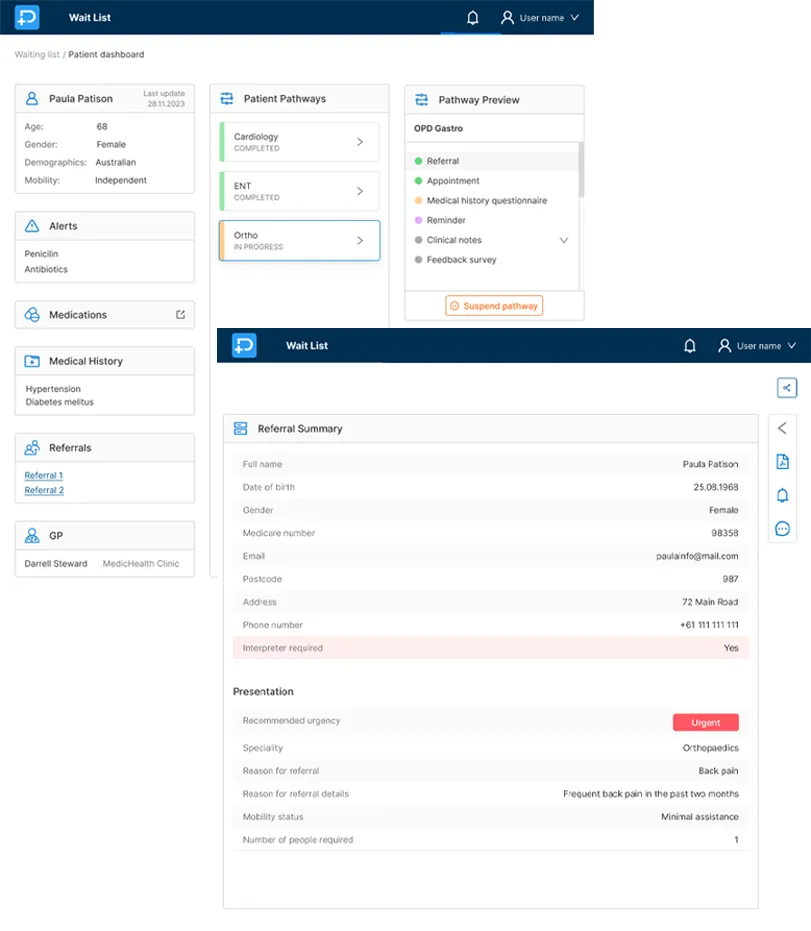
Real-Time Data Access & Reporting
Instantly access comprehensive patient data and operational reports directly from a unified system. Enhance collaboration between departments for faster, more accurate decision-making.
TRUSTED BY HEALTHCARE LEADERS
Why Hospitals Choose Pinga?

Unified Patient Records
Instant, secure access to comprehensive patient histories and clinical data.

Automated Clinical & Admin Tasks
Reduce manual tasks, minimizing paperwork and freeing up staff time.

Real-Time Operational Insights
Gain immediate visibility into patient flow and resource allocation.

Secure & Compliant
Industry-leading encryption and compliance to protect patient data.

Seamless System Integration
Easily connect with existing EMRs, RIS, PACS, and HIS systems.

Cost & Resource Optimization
Automate workflows to reduce costs and optimize hospital efficiency.
Success Story
How the University Clinic of Cardiology Cut Admin Work & Improved Patient Care
40% reduction in admin workload
90% of data entry automated
Significant cost savings
"We've moved from paperwork to patient work, and the difference in care is remarkable." — University Clinic of Cardiology, Skopje
READ THE CASE STUDY