Sorsix participated in HiNZ 2025, joining clinicians, health leaders, policymakers and technology experts at Te Pae Christchurch from 24 to 27 November. This year marked the 25th anniversary of New Zealand's leading digital health conference, bringing together people from across the health ecosystem to discuss how digital tools can strengthen prevention, equity and system performance. As a Gold Sponsor, Sorsix was proud to contribute to these conversations and to connect with organisations shaping the future of digital health in Aotearoa.

Connecting people across the health ecosystem
HiNZ continues to play an important role in linking different health verticals, creating a space where ideas, challenges and practical solutions can be shared openly. For Sorsix, the conference provided an opportunity to:
● connect with clients and partners
● participate in the regional zeitgeist
● hear directly from clinicians, digital leaders and agencies
● strengthen relationships with vendors
● participate in conversations focused on interoperability and connected care
Across discussions, a consistent theme emerged: digital health must support early action, coordinated services and fair access for all communities.
Health Digital Investment Plan announced by the Minister of Health
During HiNZ 2025, Simeon Brown, Minister of Health of New Zealand, announced the Health Digital Investment Plan. The Plan outlines how Health New Zealand intends to build a digitally enabled health system that can meet future demand and support reliable access to services.
The Minister also visited the Sorsix stand, where the team discussed how national digital platforms and interoperable systems can support the objectives of the Plan and enable more connected, data driven health services. We are the only healthtech company in the world to have successfully implemented a unified medical record with integrated referrals, prescriptions, scheduling, telehealth and HIE for two nations and it was an honour to be able to share our global experience with Minister Brown.
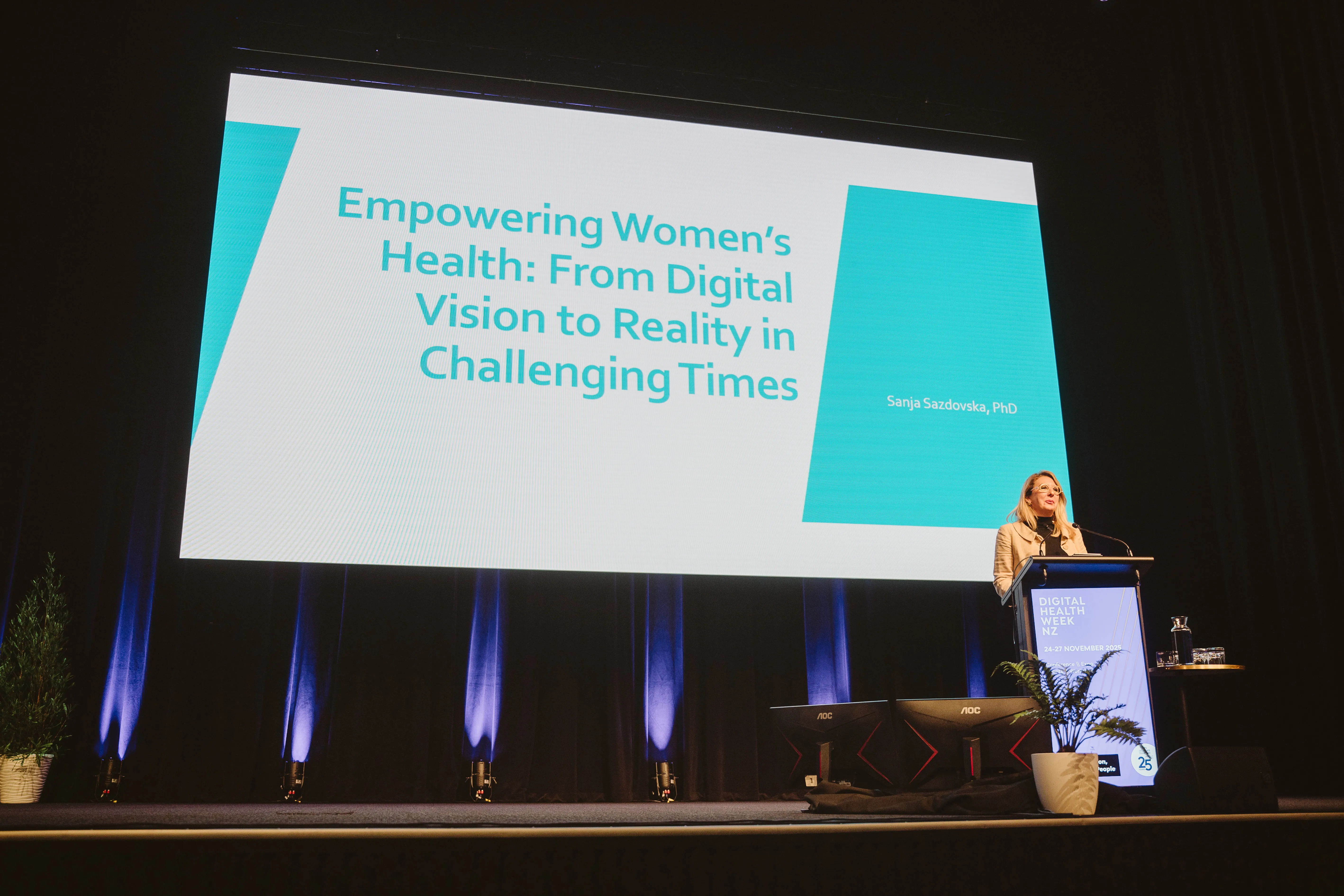
Women's health and digital resilience: insights from Macedonia
A key moment for Sorsix at HiNZ was the keynote delivered by Sanja Sazdovska, PhD, State Adviser at the Ministry of Health of North Macedonia.
Her presentation opened with a defining question raised during the pandemic:
"How do we continue protecting women if everything stops?"
Sanja outlined how screenings paused globally during COVID-19, and how the Ministry, working with partners including Sorsix, used the national digital platform to redesign prevention so that:
● the system reaches women proactively through electronic invitations
● prevention continues even during disruption
● real time dashboards support coordination, follow up and transparency
She noted that the same digital infrastructure enabled 80,000 vaccinations in one week and later helped prevent a potential influenza wave, showing that digital health supports both preparedness and equity.
Sanja also highlighted the impact of skrining.mk and the Moe Zdravje / My Health app, which give women easier access to appointments, results and reminders. As one woman from a rural area expressed:
"Before, the system forgot me. Now it calls me."
During the conference, Sanja also recorded a podcast interview where she explored similar themes in a conversational format, including digital preparedness, equity in screening and building trusted health systems. Both the keynote and the interview resonated strongly with the wider HiNZ focus on equity, prevention and community centred digital transformation.
Collaboration, interoperability and what comes next
Several themes stood out for Sorsix across the week:
● effective digital transformation requires collaboration between government, clinicians, vendors and communities
● interoperability continues to be a core enabler of coordinated, scalable digital services
● data driven approaches are supporting equity and prevention efforts across different markets
Sorsix looks forward to continuing these conversations and supporting digital health initiatives that strengthen prevention, equity and system resilience.